
Crystal velour
A1# red · 1 mm pile
Dongguan · 1-001
156 m
CASE STUDY · FABRIC TRADE ERP
A warehouse-first ERP for fabric traders: color, pile, bin location, inbound receipts, outbound issues, and stocktake share one inventory fact line—so floor staff can reconcile on site, and management sees live stock instead of a lagging spreadsheet.
Crystal velour
A1# red · 1 mm pile
Dongguan · 1-001
Velvet
A2# blue · 2 mm pile
Dongguan · 1-014
Silk pile
B3# green · 1 mm pile
Dongguan · 2-006
Why this work
Fabric is not one SKU name. The same article splits by color, pile, dye lot, and bin. Purchasing, sales, transfers, and stocktake each keep their own notes. Once volume rises, relying on a few people who “just know the warehouse” stops working.
Identity
Buyers order on mill codes, warehouse staff receive in pieces and meters, sales quote by color card. When the three names drift, the stock number looks complete but no longer maps to a shippable roll.
What you can sell is not “in stock”—it is meters available in a color at a bin.
Latency
Inbound, outbound, and transfers live in separate sheets or chat threads. Book stock lags by hours or days. Warnings are verbal; oversell shows up only at month-end.
Turnover depends on who remembers the last move, not on a live balance.
Handoffs
Purchase orders, mill shipments, inbound lines, sales issues, and shortage issues sit with different people. Matching source documents is manual; exceptions are chased in group chat.
Coordination becomes a reconciliation meeting instead of documents lining up in the system.
?
Risk
Period-end counts only show book versus physical. If purchase inbound, sales outbound, and transfers are not expanded on the same basis, the gap is guessed—and cost risk rolls into the next period.
A count must unfold current inbound and outbound before a variance can be explained.
Fabric trading needs one fact base for spec masters, bin stock, and warehouse documents so floor work can keep up with fragmented orders.
How we redesigned it
This is not another inventory spreadsheet. Each roll gets a stable spec identity, then inbound, outbound, transfer, and stocktake post continuously to that identity.
How it used to run
The rebuilt loop
Floor staff complete receive, issue, and count. Management sees balances, alerts, and tasks from the same stock ledger.
What we shipped
Capabilities follow floor work: identify the roll, then make inbound, outbound, and stocktake traceable—not a menu of modules.
If this is you
These are the stalls we see most often on a fabric warehouse floor.
Put color, pile, bin, and meters on one pick card so the answer does not wait on a physical search.
One inbound document holds source, purchase lines, mill shipment, and putaway, with meters or pieces as the unit.
Unfold current inbound and outbound on the count line; send the gap back to documents before adjusting the book.
Open sales issues, purchase receipts, and transfers go to a notification center, routed by document and warehouse.
How it works on the floor
The sequence follows warehouse work. Screens are from the warehouse mini program: pick, inbound, outbound, stocktake, and inbox.

The floor completes receive, issue, and count. The system keeps one reconcilable stock fact line.
How it is built
The mini program runs on-site work. The service holds SKU, bin, document state, and balances—without a second inventory table.
The warehouse client handles pick, receive, issue, and count. The stock engine posts by inbound and outbound type. Masters unify article, color, pile, warehouse, and rack.
Keywords
What was delivered
We describe a checkable operating loop. We do not invent unauthorized turnover or accuracy percentages.
Article, color, pile, warehouse, rack, and meters sit on one pick card. Moves no longer depend on verbal matching.
Opening, purchase, transfer, other inbound, and sales, shortage, and transfer outbound are totaled separately, with source documents and owners.
A variance is first compared with current inbound and outbound. Open documents land in the inbox, routed by warehouse.
Where else it fits
Any trade or warehouse that manages color, lot, meters or pieces, and must receive, issue, and count on site can reuse this ledger.
Many colors, pile heights, and warehouses—purchase inbound and sales outbound must share one book.
Orders split by color and dye lot; available meters at a bin must be answerable on the floor.
Mill shipments, dye-lot variance, and putaway must align; counts must explain the period’s moves.
Transfer inbound and outbound are frequent; tasks need to reach the warehouse that owns the stock.
Next step
If color identity, inbound matching, or stocktake gaps are the stall, start with one warehouse loop: identity, inbound, outbound, count.
Related cases
Other projects delivered by Wavesteam — AI, IoT, platform builds and enterprise software.

The client already had oral-image analysis. A WeChat mini program handles capture and upload, a business service calls the API and writes back findings, and check records plus admin turn the API into a live product.
Read the case study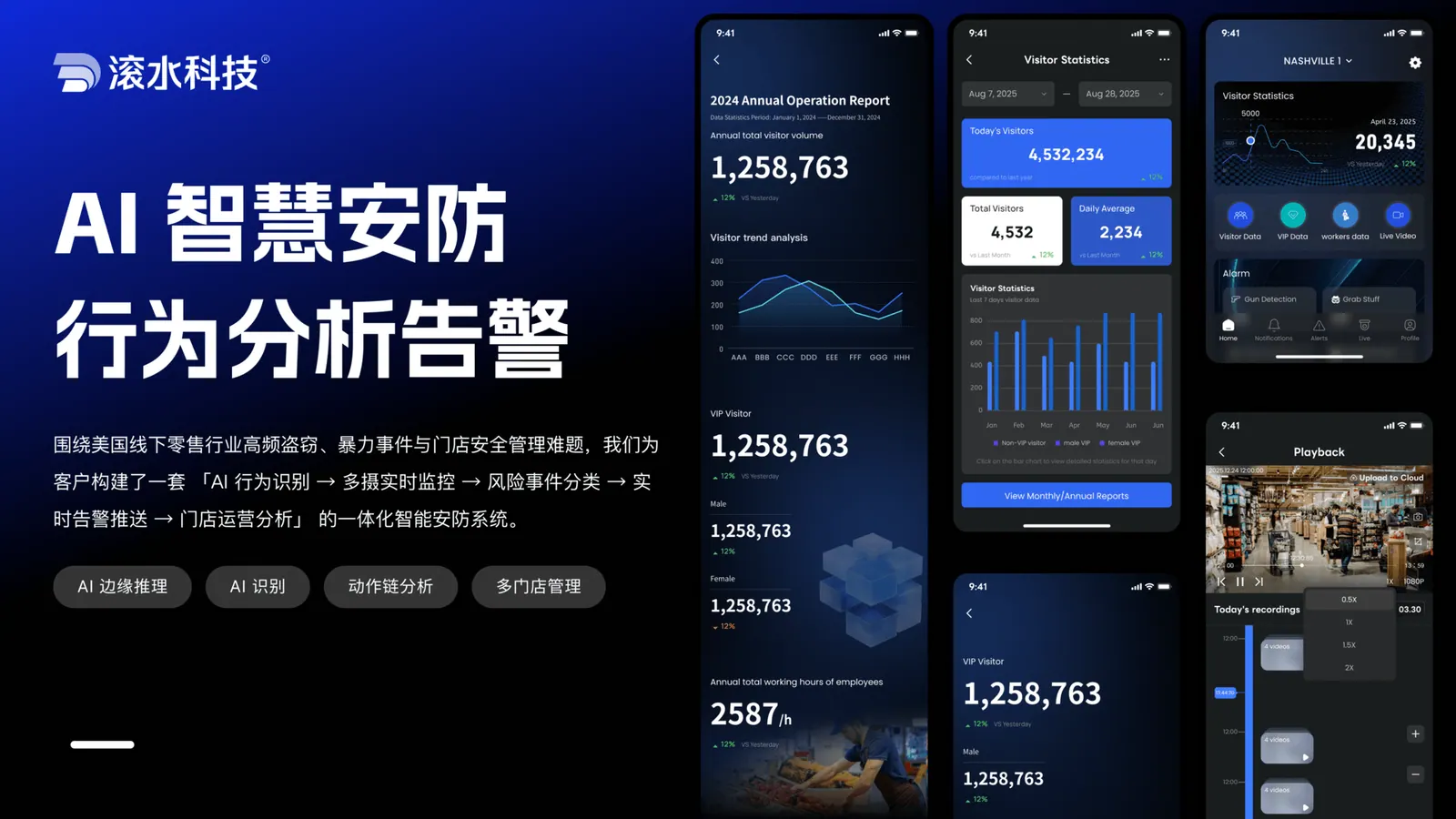
A branded retail mini program built around growth-led user journeys, with visualized outcomes for marketing and operations teams.
Read the case study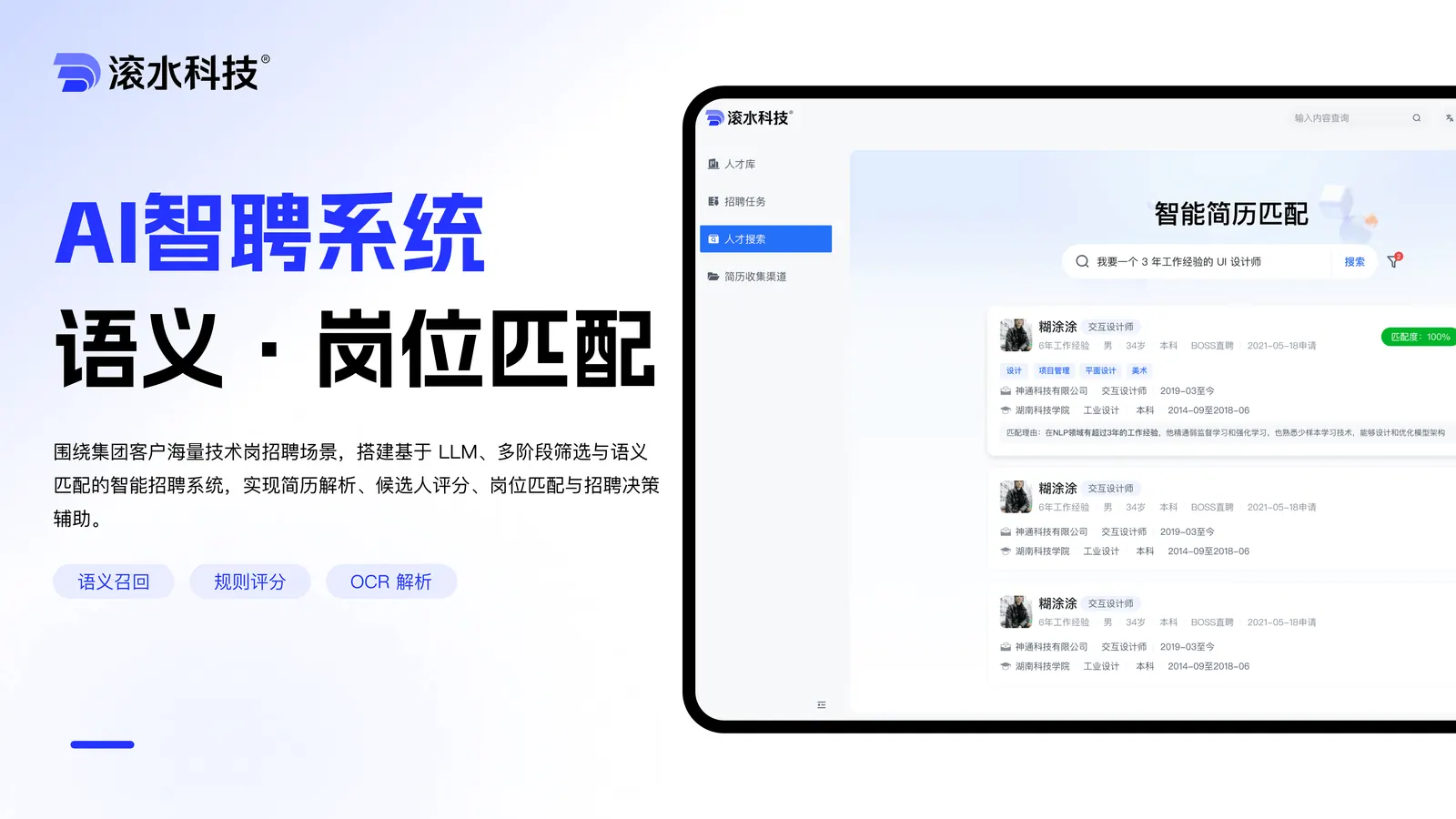
Systematized resume screening, talent search and pipeline analytics — built to cut manual triage and handover cost for in-house HR teams.
Read the case studyThese projects usually involve business systems, device integration, AI workflows or multi-role back-offices. We assess feasibility against real delivery constraints and give recommendations close to the implementation stage.