Learners need a clear next step
A task sets the communication goal. Feedback points to their own words, and a retry preserves the earlier attempt for review.
Extend adult English courses with purposeful conversation practice. Connect assignments, speaking attempts, evidence-linked language feedback, retries and instructor review in a branded learning experience.
Start with a communication task learners need to practise.
A learner may understand a lesson yet still need practice explaining a delay, rescheduling a meeting or answering an interview question. Established apps already offer conversation practice. For a course provider, the investment question is how that practice should connect to its curriculum, instructors and learner records.
CEFR communication descriptorsA task sets the communication goal. Feedback points to their own words, and a retry preserves the earlier attempt for review.
Review the assignment, conversation and previous attempts together. Explain a correction or request another attempt when it helps the learner.
Organize practice around courses, cohorts and entitlements. Pricing, continued use and retention benefits require evidence from a pilot.
Evaluate established services before building your own.
This comparison uses public product pages and guides. Confirm current regional availability, pricing, contracts and integration rights with each supplier.
Start here when standard lessons, role-play and team administration meet the programme's needs.
Check regional access, content fit, data export and renewal terms.Use licensed configuration or APIs when the gap is content, identity or a connection to an existing learner system.
Validate commercial access, fields, quotas and an exit path.Consider custom development for distinctive assignment versions, service entitlements and instructor handoffs.
Document the workflow gap before commissioning development.Connect each attempt to feedback and a useful next step.
Make the next conversation the goal.
Start with an assignment, capture the attempt, offer feedback linked to the learner's words, then support a focused retry. Instructors step in where needed. A branded app earns its place by connecting curriculum and service; licensed infrastructure can supply speech and model capabilities.
Can we meeting tomorrow at ten?
Keep the original utterance so a suggestion can be checked in context.
Receive assignments, practise, verify transcripts and request review. A responsive web pilot can inform whether native recording and notifications are needed.
Publish cohort assignments, inspect attempts and give feedback. Version changes preserve the goals associated with earlier work.
Manage assignments, attempts, suggestions and reviews as linked records. Retries retain their history; a model failure does not discard a completed attempt.
Scope access by organization, cohort and role. Connect course entitlements and manage private audio retention and applicable deletion requests.
An instructor publishes a meeting scenario: explain the reason, suggest a time and confirm the arrangement.
AI supports practice. Instructors own teaching decisions.
A fixed script, worked examples and instructor comments provide a useful baseline. AI can make conversations responsive and suggestions specific to an utterance. Compare that value with feedback quality, completed retries and the instructor's total effort.
Use licensed scenarios, task goals and the current conversation. Explain audio use and retention; offer text practice when microphone access is declined.
Keep transcription, conversation and language feedback distinct. Quote the original, explain the change and avoid pronunciation or certification scores derived from text.
Let learners check uncertain transcripts. Keep attempts through timeouts and allow instructors to revise advice or request another attempt.
Call licensed services from the backend, keeping credentials out of the app. Minimal API calls have been checked; accents, noise, cost and capacity need a project pilot.
Store assignment versions, original attempts, feedback and reviews separately. Handle duplicate submissions and concurrent updates while preserving retry history.
Authorize by organization, cohort and individual record. Use private audio storage and expiring links, with defined processing, retention and deletion arrangements.
Assess content controls, AI disclosure and applicable registration requirements. Learner systems, SSO, payments and specialist speech assessment need separate scoping and authorization.
Test one adult cohort before expanding the service.
Turn weekly lessons into assignments learners can practise between classes and submit for instructor input.
Configure cohorts, communication goals and review rules.Organize interviews, meetings and client conversations within your own course experience.
Connect learner records and entitlements where authorized.Deliver role-specific language practice for corporate cohorts using anonymized workplace scenarios.
For training delivery; exclude hiring elimination and employee ratings.Linked utterances, attempts and comments help instructors identify what needs further explanation.
Assignments and retries can form a continuing service, included in a course or tested as a separate entitlement.
Evaluate model usage, content work, instructor time, storage and maintenance alongside subscription alternatives.
Measure task completion, useful retries, instructor edits and total service cost per assignment. Activity counts and released staff time do not establish learning gains, higher retention or cash savings.
Choose one adult cohort. Confirm licensed scenarios, recording permissions, instructor availability and the existing service baseline.
Implement assignment publishing, conversation attempts, feedback, retries and review, including empty inputs, recovery and duplicate prevention.
Test authorized samples for transcription, quote accuracy, instructor edits, latency, access control, deletion and recovery. Agree acceptance thresholds.
Use pilot evidence to decide on native apps, learner-system integration and acoustic assessment. Hand over deployment, monitoring and maintenance responsibilities.
The initial scope is adult course practice. It excludes examination certification, children's academic tutoring, automated hiring judgements and emotional companionship. Speech and AI responses in the interactive demo are simulated; production integrations require project acceptance.
Evaluate an established service first. Custom development is justified by specific curriculum, instructor, entitlement or integration requirements that existing options do not adequately meet.
The initial scope covers transcription, scenario conversations and language suggestions. Pronunciation needs acoustic assessment, and certification requires separate authority and validation.
A responsive web pilot can validate the learning journey first. Recording, notifications, distribution and actual use can then guide the mobile implementation.
Bring licensed scenarios, learning goals, cohort and instructor arrangements, existing system constraints, and audio retention requirements. These determine the integration and acceptance scope.
Share your course scenarios, instructor service and existing systems. We will help define the first practice journey and its implementation scope.
Related solutions
AI, capital-markets docs, OCR, vision, IoT and membership operations — composable for your industry.
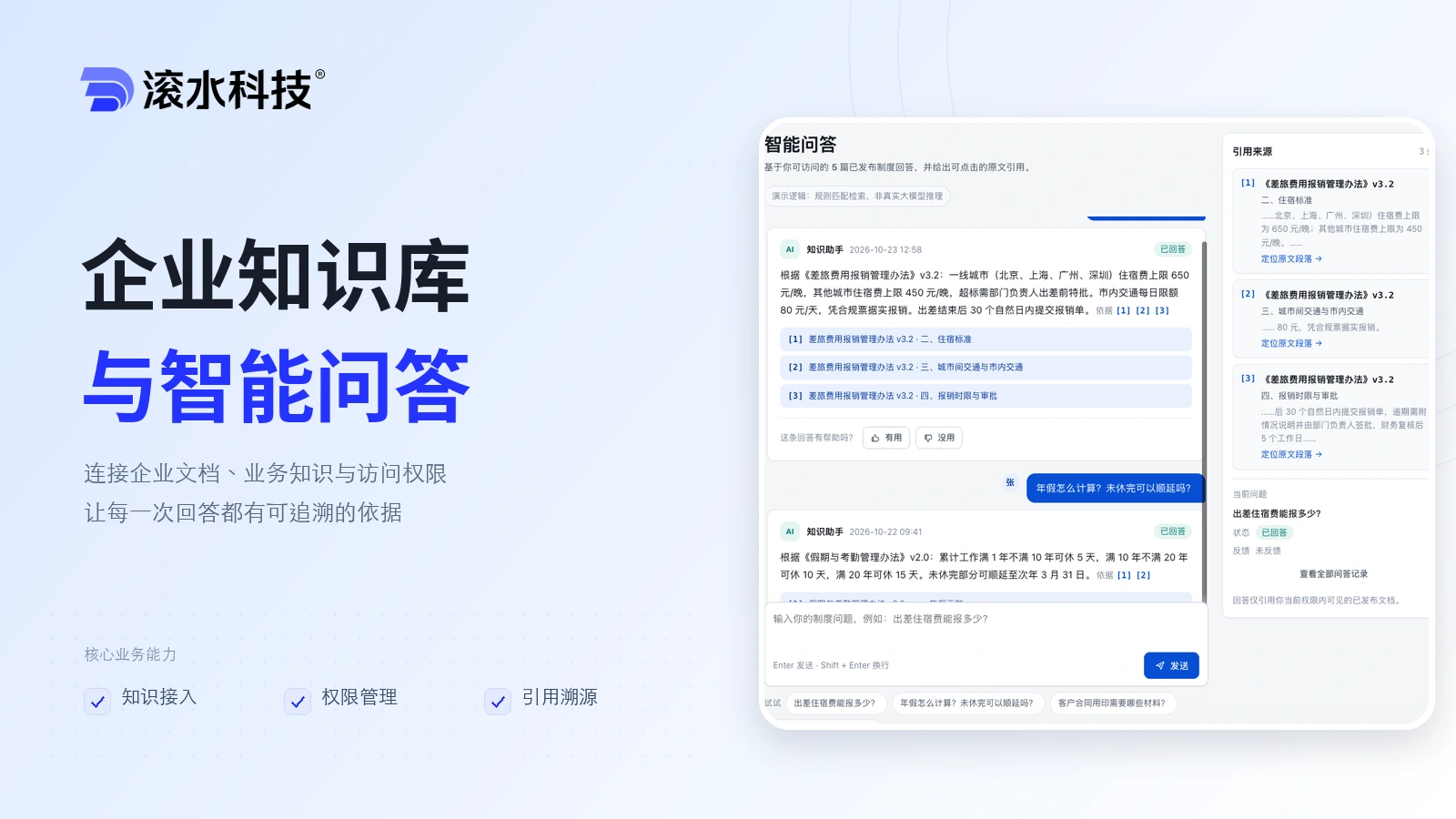
Connect enterprise documents and business knowledge with source citations and access controls. Start with a model API, or deploy processing, retrieval, and inference on an appliance for fully internal use.
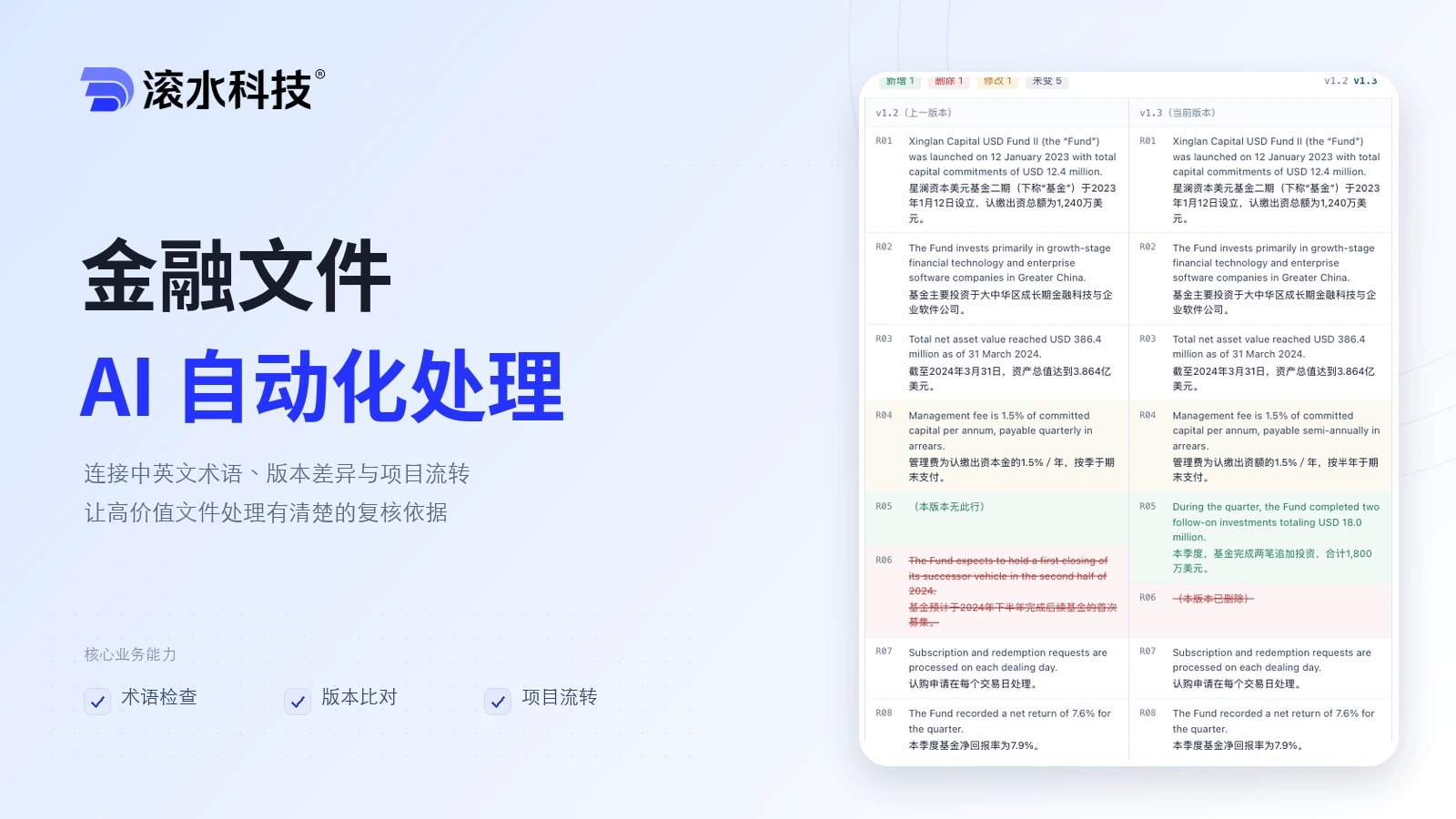
Connect terminology checks, version comparisons, human review and project handoffs for bilingual financial documents, with traceable decisions and review records.
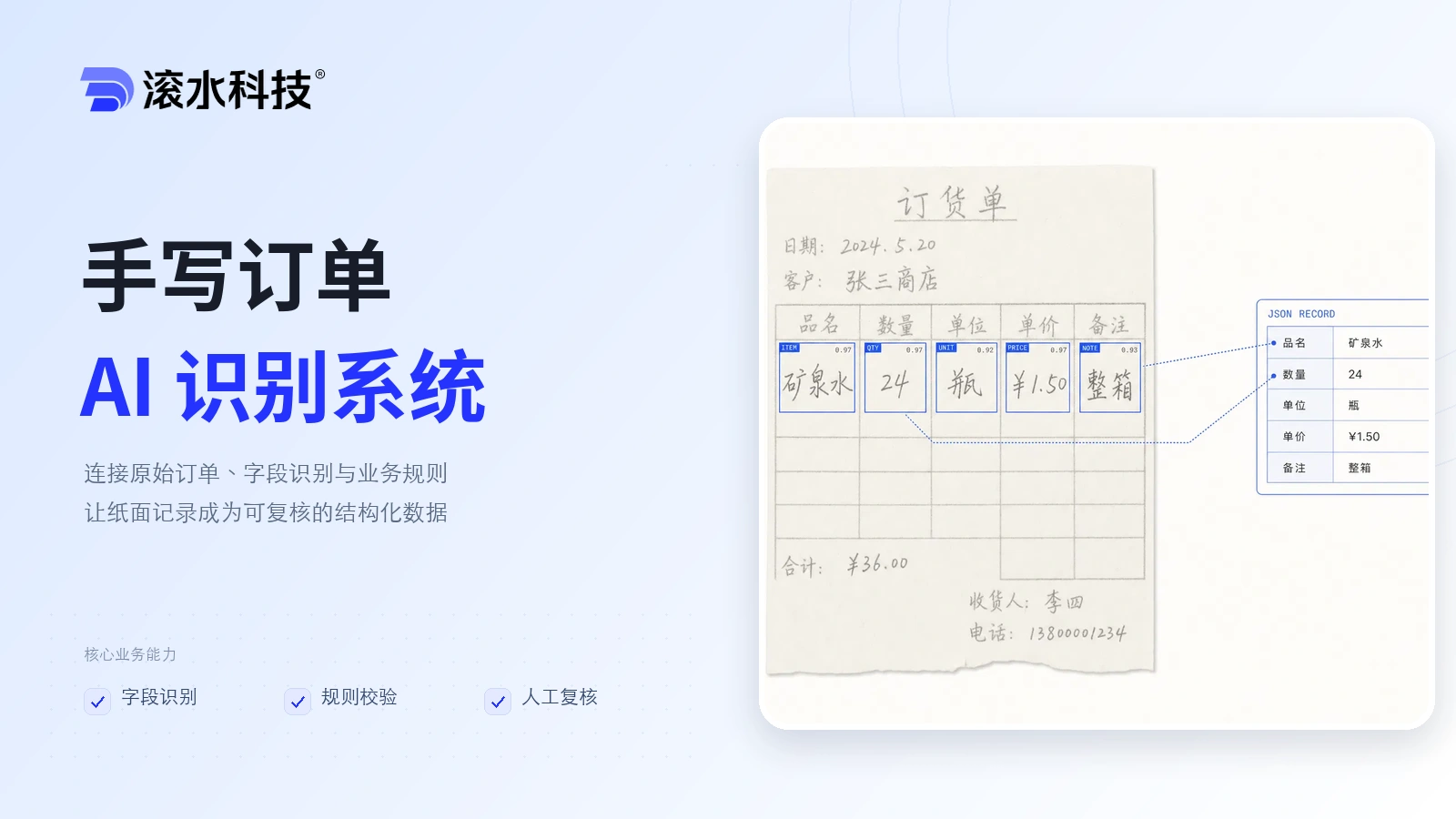
Turn handwritten orders into structured records through field extraction, validation, and human review, ready for integration with your order management workflow.