Site staff
Accept responsibility for an exception, document the field action and repeat measurement, then submit the record for review.
Custom software for food storage and distribution teams. Connect temperature records to shipments, accountable field actions and quality review, with a traceable record for each exception.
A reading becomes useful when teams know which goods it affects and what to do next.
Temperature visibility is one part of a cold chain operation. When goods leave storage, travel and change hands, teams also need the associated batch, responsible party and response record. Connecting those records makes the handling of an exception easier to review.
2025 industry data · Fujian government republicationAccept responsibility for an exception, document the field action and repeat measurement, then submit the record for review.
Check the source readings, actions and affected batch. Return incomplete evidence. Keep record closure separate from goods disposition.
Establish data rights and site responsibilities. Reuse existing monitoring services and assess the interfaces needed for the workflow.
Start with established monitoring services, then assess your workflow requirements.
Choose an established product when its hardware, alerting and quality workflows already meet the requirement.
Hardware, service terms, retention and exportConnect an existing monitoring service when the missing link is shipment context or internal handover.
Access rights, fields, regions, quotas and recoveryCommission a tailored business layer where site responsibilities, carrier access or quality review follow specific rules.
Workflow ownership, mapping, maintenance and exitKeep the source data, field response and quality review connected.
An exception links its measurement point, source readings, rule version and affected batch. Site staff submit the response; quality reviewers examine the evidence and record their decision. The application supports this accountability while qualified people retain responsibility for the goods.
A return to range updates the environmental state. It does not automatically approve goods or close the response.
Keep existing loggers and monitoring services. Start with permitted data imports; validate live interfaces against the specific equipment and contract.
Apply versioned site and product rules. Distinguish a temperature excursion from a reporting gap and preserve the triggering evidence.
A responsive web application supports mobile field work and desktop review of the same record. Production access follows each role and site.
Link actions, repeat measurements and reviews to the affected batch. Preserve source readings and subsequent additions for authorized export.
A native app is a separate product decision. Responsive web delivery can cover the initial workflow; offline work, dedicated hardware and notification requirements determine whether another client is needed.
Keep the source time, device, batch and rule with the exception before a site employee claims it.
Deterministic rules detect deviations. People remain accountable for decisions.
An optional assistant can organize authorized readings, response notes and procedures into a source-linked draft. A person checks and saves it. When the model fails or the sources are insufficient, a structured template keeps the operational workflow moving.
Limit context to the current incident and approved procedures. Preserve identifiers and versions so statements can be checked.
Separate facts, the timeline and missing information. Do not turn an inferred cause into an observed fact.
The assistant cannot alter thresholds, remove readings, close incidents, control refrigeration or approve goods.
Evaluate authorized historical records against a manual template before enabling a model. Measure unsupported statements, omissions, edits, time and cost. No accuracy or productivity claim is made before that evaluation.
Map equipment and batches, units, sample time and receipt time. Preview invalid rows and deduplicate source identifiers before ingestion.
Vendor APIs, gateways and warehouse or transport systems require explicit access, regional availability and quota checks. Late data belongs to historical review.
Use server-side tenant and site access, transactional updates and an audit trail in production. Test conflicting claims, returned submissions and restoration.
Operators and equipment partners own placement, calibration, power and communications. The initial software scope covers records and handling, without refrigeration control.
Validate one site with authorized data before expanding the system.
Organize duties by storage zone, measurement point and batch. Central quality teams review site exceptions, shift handovers and reporting gaps.
Configuration: zones, shifts and site accessAssociate authorized journey records with the handover batch. Record checks and the applicable rejection or isolation process when conditions are abnormal.
Integration: shipment, carrier and handover evidenceHelp receiving teams check storage and distribution records, with repeat measurements and review attached to the batch. Production process controls require separate scope.
Implementation: receiving duties and batch identifiersKeep ownership, field actions and review comments together so staff can trace the handling history.
Distinguish environmental recovery, restored reporting and completion of the handling record.
Assess development, existing platforms, mapping, training, hosting, interfaces and support against a site pilot.
Establish the current documentation time, evidence completeness and handover delay for each exception. Measure the pilot against that baseline. Released staff time is capacity; cash savings and avoided spoilage require separate evidence.
Prepare equipment and site lists, permitted exports, batch rules, procedures and named owners. Resolve missing access or duties before implementation.
Validate import, exception creation, ownership, field evidence, returned reviews, closure and batch export.
Cover duplicates, late data, reporting gaps, incomplete evidence, unauthorized access, concurrent claims and recovery.
Approve live connections, new sites, carrier collaboration and AI individually. Scope, pricing, schedule and support follow the assessed project.
The initial scope covers authorized imports, rules, field actions, quality review and record export. Hardware development, pharmaceutical validation, predictive fault diagnosis and automated food safety decisions require separate assessment.
First assess its alerting, task, batch and export capabilities. Configure what already works. Build an additional business layer only where handover rules, access or integrations justify it.
The initial workflow can use records you are authorized to export. Live integration requires the exact device or vendor interface, commercial permission, regional availability and a validated sample.
No. AI assistance is limited to source-linked factual drafts. Accountable personnel determine receipt, isolation, disposition and release under the applicable requirements.
The example uses simulated devices, notifications and AI drafts to explore the workflow. Live data, production authorization, messaging and model behavior need separate project acceptance.
This solution focuses on food storage and distribution. Pharmaceutical and vaccine operations have distinct standards and validation duties requiring separate research and scope.
Provide the site and equipment list, authorized sample records, batch or shipment fields, temperature policies, response procedures, quality responsibilities and existing systems.
Share your equipment, sample data and handover process to define a practical first release.
Related solutions
AI, capital-markets docs, OCR, vision, IoT and membership operations — composable for your industry.
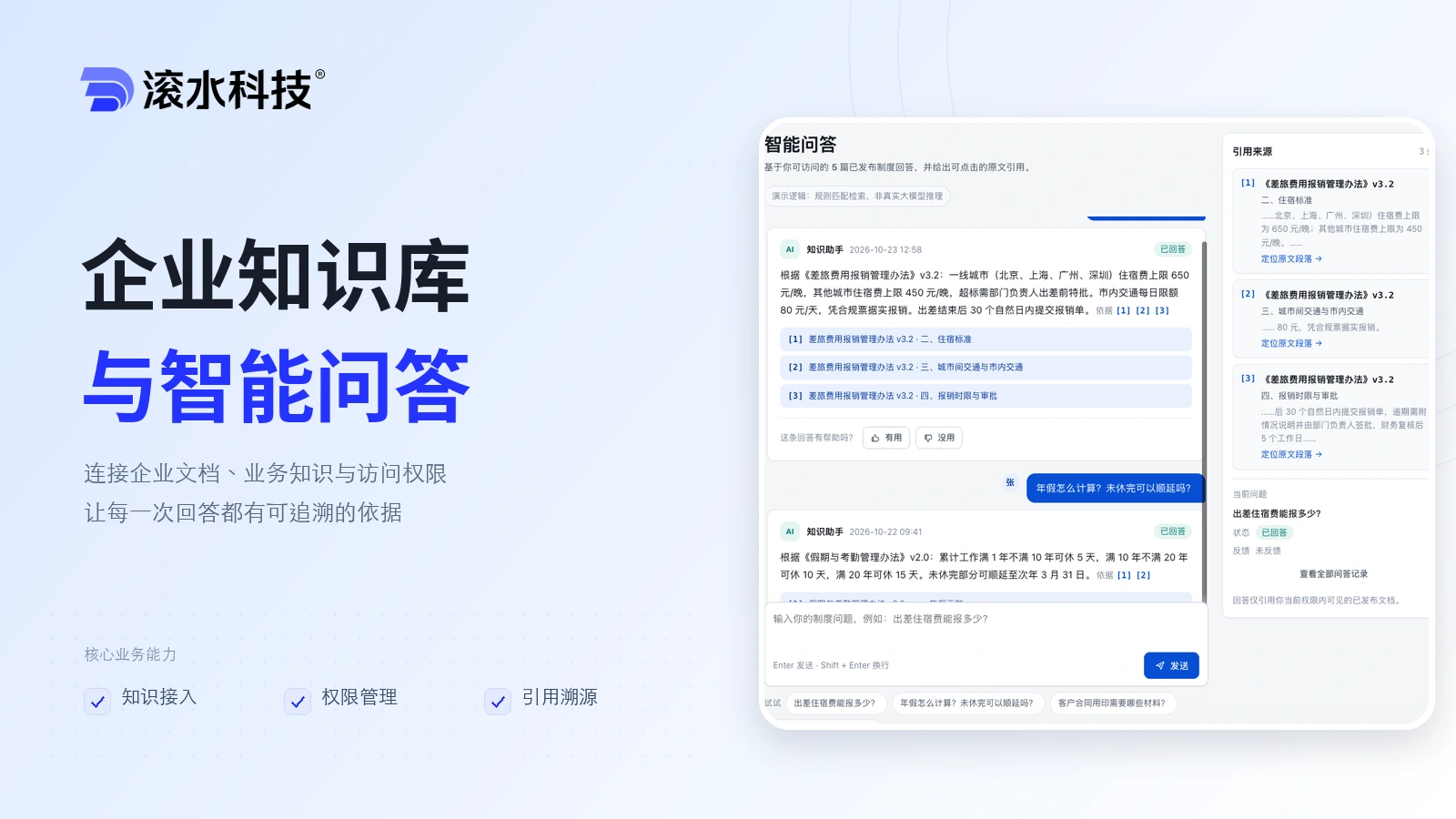
Connect enterprise documents and business knowledge with source citations and access controls. Start with a model API, or deploy processing, retrieval, and inference on an appliance for fully internal use.
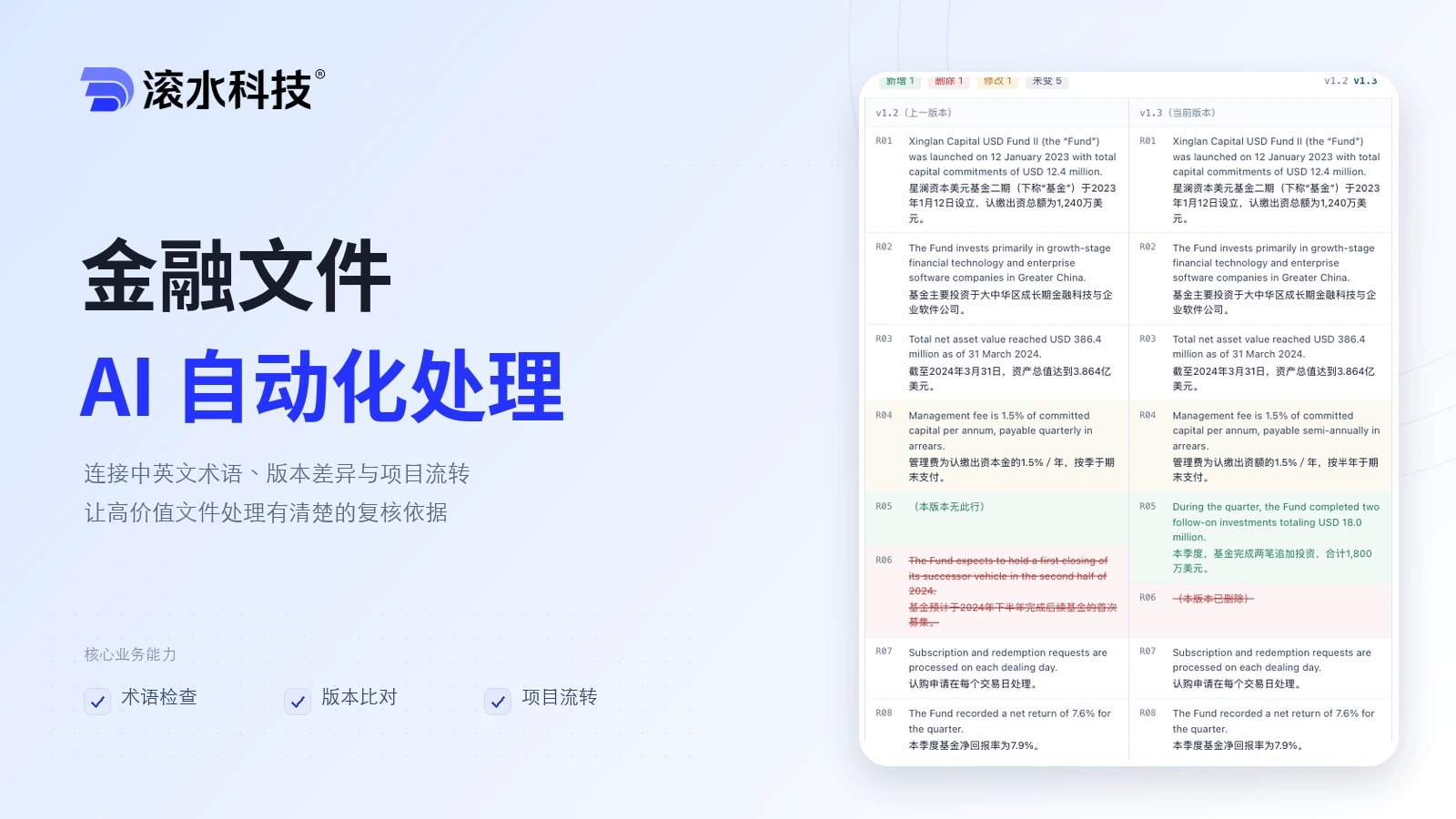
Connect terminology checks, version comparisons, human review and project handoffs for bilingual financial documents, with traceable decisions and review records.
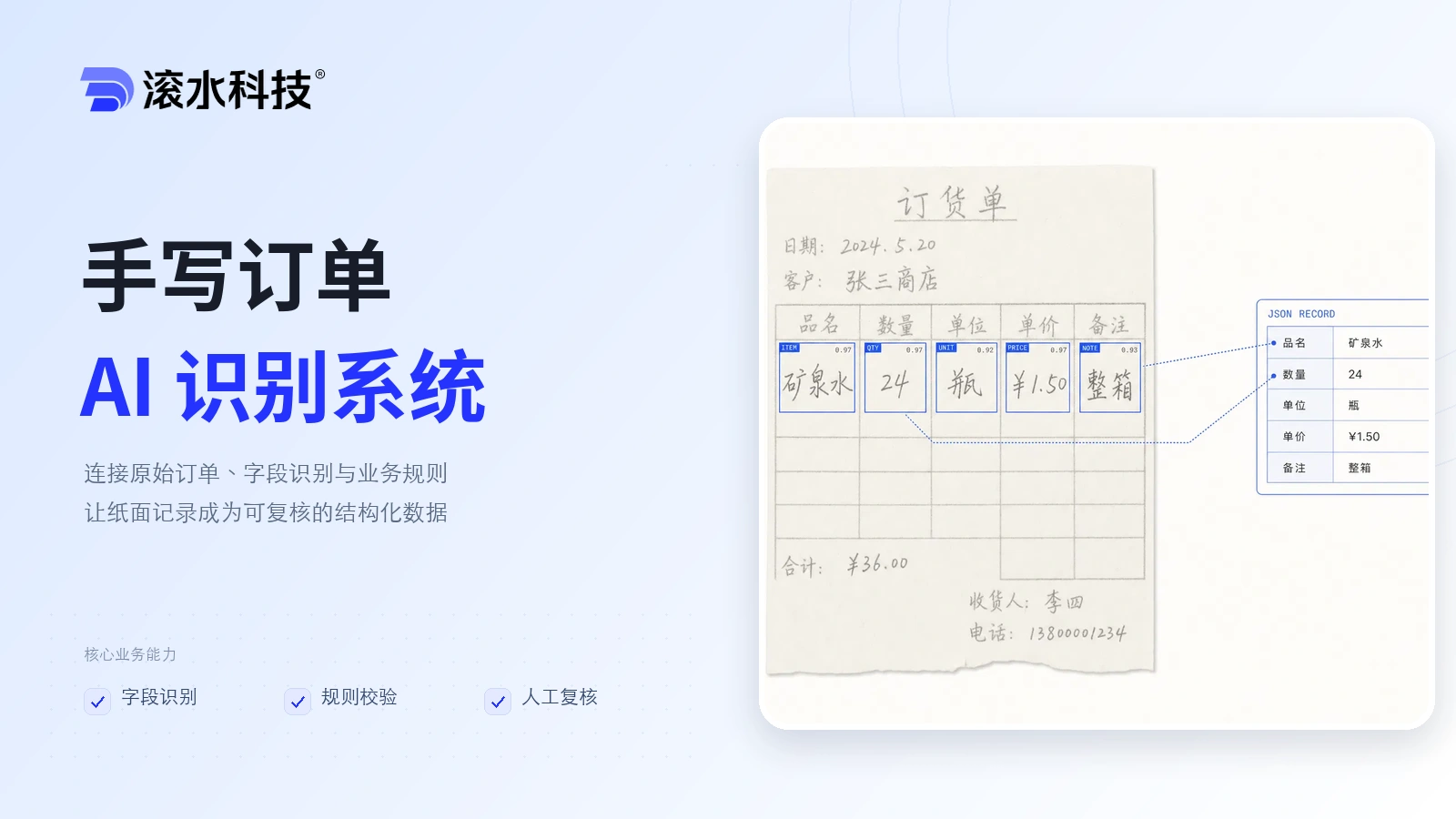
Turn handwritten orders into structured records through field extraction, validation, and human review, ready for integration with your order management workflow.