Lease records · Market references · Operating plans
Commercial Property Research & Talent Platform
Connect project evidence, financial scenarios and hiring workflows. Trace research conclusions, test operating assumptions and review candidate recommendations with supporting evidence.
COMMERCIAL REAL ESTATE / RESEARCH / TALENT
Make the reasoning behind a project review or a candidate recommendation easy to examine.
For companies managing business parks, offices and income-producing assets. Connect project evidence with financial scenarios, and connect hiring requirements with candidate reviews and onboarding. Share business definitions while keeping responsibility and access clear.
01 / RESEARCH WITH EVIDENCE
Turn a project data room into a reviewable investment brief.
Market reports may cover different periods, locations and rent definitions. Build an evidence register before asking an agent to synthesize the material. Reviewers should see what supports a conclusion, what is missing and who has checked it.
- 01
Define the project
Record asset type, lettable area, study area and operating objectives. Assign ownership to missing information.
- 02
Register the evidence
Organize authorized documents, tables and public references with dates, scope and review status. Route conflicting or outdated evidence to the responsible reviewer.
- 03
Develop the brief
Structure industry, market, competition, operating and risk analysis. Link conclusions to specific records and distinguish observations from assumptions.
- 04
Review and revise
Keep comments, additional evidence and revisions together. Return incomplete work for clarification without erasing the assumptions behind earlier decisions.
Keep the link from source to conclusion intact
Dates and units · Applicable area · Review status
Research brief · Open questions · Decision record
Illustrative workflow: missing evidence creates an open question; conflicting sources remain visible.
02 / EXPLICIT ASSUMPTIONS
Make the assumptions behind projected returns visible and testable.
Carry reviewed area, rent and occupancy assumptions into a defined calculation model. Deterministic formulas produce the numbers; an agent helps explain their implications. Save inputs, model versions and review notes with each scenario.
Illustrative operating cash flow model
Lettable areaMonthly rentOccupancyOperating cost ratioHolding periodDiscount rate
- Annual rent = lettable area × monthly rent × 12 × occupancy
- Annual net operating cash flow = annual rent × (1 − operating cost ratio)
- NPV = − initial investment + discounted annual net cash flows
The demo uses an unlevered, pre-tax model with no terminal value. Production models require agreed lease assumptions, taxes, capital expenditure, financing and exit terms.
Compare scenarios on consistent terms. Show when payback falls outside the holding period, cash flow is zero or inputs are missing.
03 / PEOPLE & RESPONSIBILITY
Carry the evidence for a candidate recommendation through to onboarding.
Leasing, research and operations roles call for different experience. Map each requirement to candidate evidence, highlight gaps and open questions, and keep interview and hiring decisions with accountable people.
- 01Role & résumé
- 02Match review
- 03Interview
- 04Offer acceptance
- 05Onboarding
Reusable talent records
Structure authorized résumés into skills and experience, detect duplicates and preserve provenance. Reconsider archived candidates against a new role without losing history.
Explainable recommendations
Show evidence of job-related skills and project experience. Treat unmentioned experience as unverified. Use interview questions to close gaps and record the human decision.
Completion with evidence
After offer acceptance, assign contract checks, document review, equipment and mentor tasks. Complete onboarding when the checklist is confirmed, with returns and delays recorded.
A shared workspace with distinct access boundaries.
Research & finance
Authorize project documents, assumptions and reviews by role and project. Flag changed inputs for review and preserve the basis of earlier decisions.
Recruiting & HR
Scope candidate access to the role and responsibility. Define purpose, retention and deletion processes; use job-relevant criteria and retain human review for significant decisions.
Models & integrations
Assess authorization and available interfaces before connecting models, research sources or recruiting channels. Agree data residency and deployment requirements before choosing hosting.
04 / IMPLEMENTATION
Prove complete workflows before adding more agents.
- 01
Agree the evidence and rules
Select a representative project, an existing financial model and de-identified role and résumé samples. Identify permissions, owners and exceptions.
- 02
Deliver the first workflows
Connect research to review, assumptions to saved scenarios, and candidates to onboarding. Establish master records and integration ownership.
- 03
Validate against working samples
Have domain reviewers check citations and reconcile calculations. Exercise role changes, duplicate records, returned work and access controls.
- 04
Expand on measured results
Evaluate accuracy, handling time and review effort by case complexity before adding sources, channels or departments.
Accept the workflow on verifiable records.
- Research
- Trace key conclusions to original material; identify missing, conflicting and outdated evidence.
- Calculations
- Reconcile inputs and formulas, including scenario changes, unit conversions and saved versions.
- Recruiting
- Check job-related evidence, duplicate handling, talent rediscovery and returned stages.
- Onboarding
- Keep incomplete checklists open and preserve completed or returned state after refresh.
Questions to settle before implementation
Do we need all three workflows at once?
Start with the most pressing need. Research and financial scenarios share project data and can be delivered together. Recruiting can run as a separate pilot and connect through organization, role and project identifiers later.
Can the system import from recruiting platforms?
Access depends on platform permission, enterprise account rights and available interfaces. Begin with résumés your organization is authorized to process, then assess each channel separately.
Will AI approve investments or make hiring decisions?
The proposed scope supports research, analysis and match explanations. Agreed calculation models produce numerical results; authorized people retain investment, interview and hiring decisions.
What does the demo represent?
It uses fictional records and preset analysis to illustrate research, calculations and hiring workflows. Live models, integrations, enterprise permissions, production storage and operations require separate implementation and acceptance.
What should we bring to a scope discussion?
Bring a report index, de-identified project material, a financial model with formula definitions, role examples and the current recruiting process. These establish scope, acceptance criteria and cost drivers.
Start with a project brief, a financial model and a role to fill.
Use actual business responsibilities and representative data to define reusable capabilities, integration needs and the exceptions your pilot must handle.
Discuss your requirementsRead the industry report
Market evidence, product comparisons and pilot decisions · Chinese
Related solutions
More Wavesteam solutions
AI, capital-markets docs, OCR, vision, IoT and membership operations — composable for your industry.
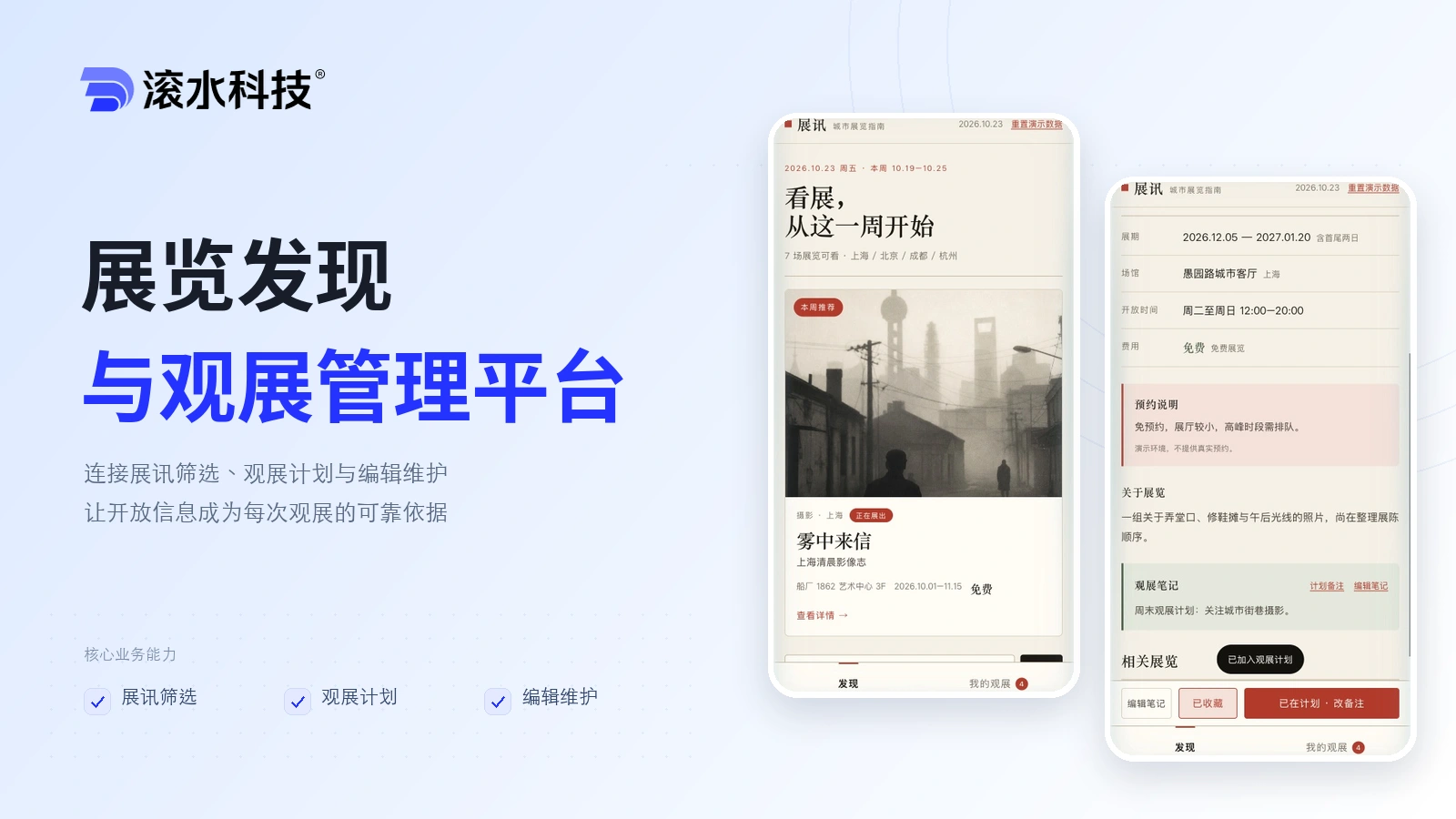
Exhibition Discovery & Visit Planning
Connect exhibition listings, personal visit plans and editorial updates so audiences can plan a visit with the right information.
- Exhibition discovery
- Visit planning
- Editorial updates
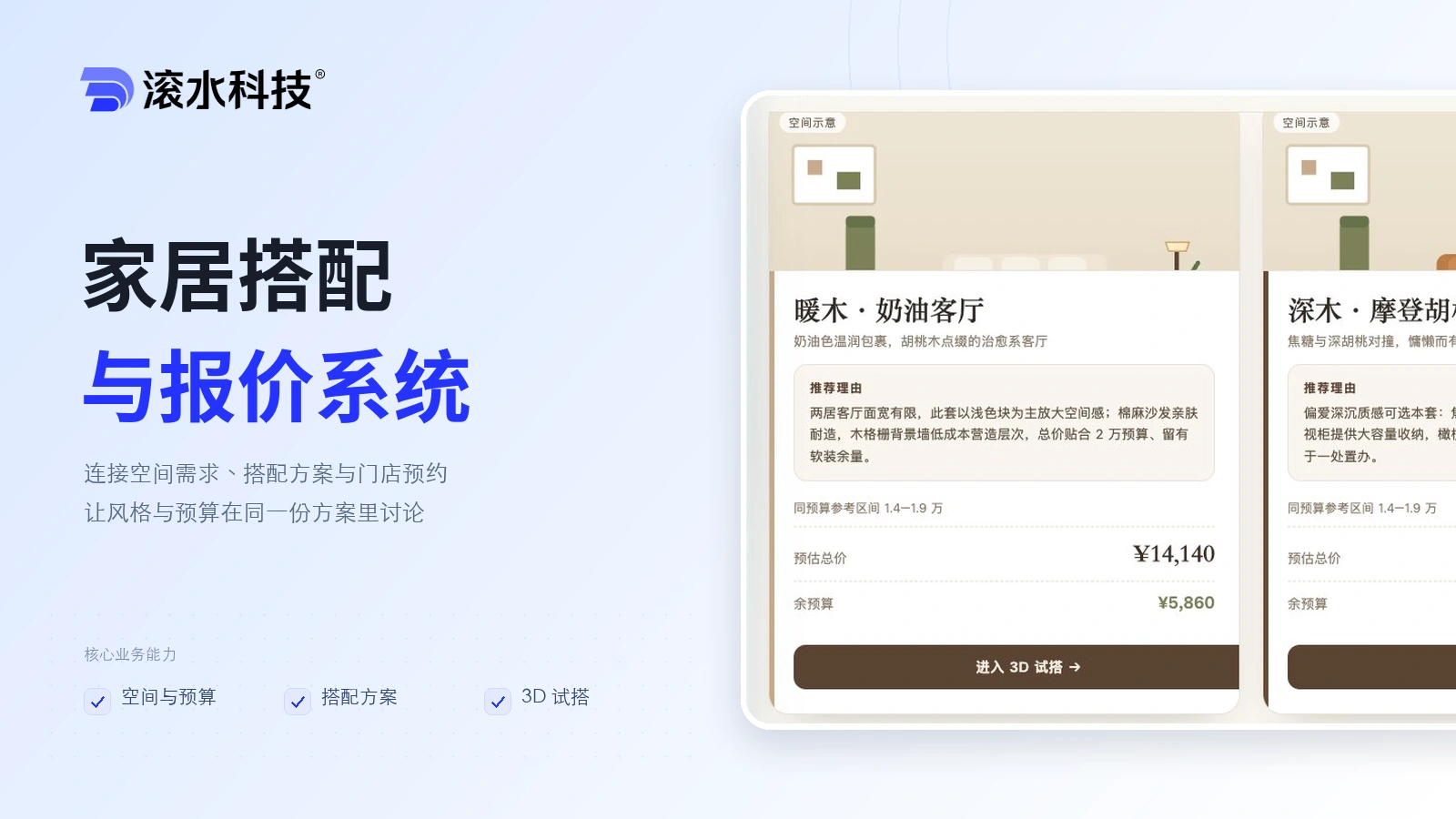
Furniture Configuration & Quoting
Help shoppers move from a room brief and budget to comparable furniture options, a 3D preview and a store appointment.
- Room brief
- Style options
- 3D configuration

Learning Self-assessment & Course Enquiry
Give families a structured introduction to your programmes through grade-based activities, clearly explained results and course enquiries.
- Grade selection
- Learning activities
- Course discovery