Know what needs attention
Review data freshness, open alerts and outstanding work orders. Compare energy and chemical use only across equivalent operating conditions.
Connect plant data, field work and engineering knowledge. Build traceable workflows and validate AI-assisted decisions through a focused site pilot.
INDUSTRIAL WATER / ENGINEERING & OPERATIONS
For engineering and service teams responsible for industrial water reuse, membrane treatment and multi-site operations. Connect plant data with field work and engineering knowledge, then test optimization opportunities against a reliable operating baseline.
Review data freshness, open alerts and outstanding work orders. Compare energy and chemical use only across equivalent operating conditions.
Check project inputs, find the applicable technical references and keep drafts, reviews and approved deliverables connected.
01 / OPERATING WORKFLOW
A high reading is a reason to investigate. Verify the measurement, assign the work and review the outcome against the same event record.
Review pressure, flow, temperature and timestamps. Separate communication failures from process exceptions.
Check instrument health and field readings. Set an owner, priority and checklist while preventing duplicate open work.
Capture verified readings, actions and supporting files. Process changes follow the established approval procedure.
A supervisor reviews the evidence and follow-up readings, returning incomplete work or closing a verified resolution.
02 / DECISION BOUNDARIES
Knowledge assistance, process optimization and plant control serve different purposes. Start with read-only decision support and assess any actuator integration as a separate engineering scope.
Retrieve manuals, explain exceptions and draft technical content with references, versions and applicability.
Escalate unsupported questions to specialists and require professional review of critical content.
Use process rules and calibrated models to propose bounded changes, recording inputs, constraints and decisions.
Withhold recommendations when critical readings are missing, stale or outside the validated operating range.
Retain existing PLC, SCADA and interlocks. Add control integration only after site validation.
Define limits, approval, manual takeover and fallback behavior. A general-purpose chatbot does not issue equipment commands.
03 / ENGINEERING KNOWLEDGE
A prior design is useful only when its water quality, output requirements and process limits apply. Keep those conditions attached to technical references and project versions.
Structure water quality, capacity, reuse targets and site constraints. Request missing parameters before making definitive equipment selections.
Cite the relevant manual versions and sections. Maintain controlled equipment lists, calculation rules and pricing sources; authorized staff approve quotations.
Route technical and commercial decisions to the appropriate owners. Keep revisions, review comments and final deliverables linked.
04 / SYSTEM CONNECTIONS
Site data
Use assessed read-only interfaces or edge acquisition, retaining timestamps, units and quality flags.
Shared records
Align identifiers and versions, connect alerts to work and apply organization- and project-level access.
Work and decisions
Assess interfaces and authorization before connecting ERP, workflow or messaging services. Retain an audit history for critical actions.
05 / DELIVERY GATES
Select a representative site and document set. Establish data quality, process limits, access rights and accountable owners.
Deliver: a gap assessment, data dictionary, pilot scope and measurement plan.
Complete the alert-to-review and input-to-document workflows. Establish version control and a knowledge evaluation set.
Accept: complete records, consistent state, traceable citations and agreed access behavior.
Test read-only recommendations against current rules under comparable conditions. Record errors, overrides and review outcomes.
Accept: water quality and safety first, followed by operating cost and usability evidence.
Reuse validated rules at comparable sites and recalibrate for process differences. Scope control, scheduling and inspection separately.
Decide: expand when the gate is met; otherwise address the data or workflow gaps.
06 / PILOT ACCEPTANCE
Agree the accounting boundary before the pilot. Match throughput, influent load, temperature and equipment conditions so that tariff or load changes are not mistaken for model performance.
Set targets, timing and investment after assessing the site and integration scope. Uncontracted subscription revenue and assumed savings rates do not form the pilot business case.
Start by assessing coverage and interfaces. The proposed scope adds cross-site coordination, engineering knowledge and pilot evaluation while retaining existing acquisition, control and accounting systems where appropriate.
The initial scope is read-only monitoring and advice. Control automation requires process modeling, interlocks, limits, network boundaries, fallback and separate acceptance. Staffing depends on site risk and operating requirements.
Deployment can be assessed for an internal network, private cloud or hybrid setup. Agree model access, document permissions, retention, recovery and isolation from plant networks.
Operating records can support reporting. Templates and retention need to match the applicable permit and local requirements. Carbon accounting requires its own boundary, emission sources and factor versions.
It illustrates workflows with fictional records and preset logic. Sensor integration, model validation, enterprise authorization, production operations and plant control require a separately agreed implementation and acceptance scope.
Bring an instrument list, a typical exception record, a technical document index and your approval workflow. These establish the reusable components, data gaps and first acceptance scope.
Discuss a pilotScope, delivery stages and acceptance · Chinese HTML presentation
Related solutions
AI, capital-markets docs, OCR, vision, IoT and membership operations — composable for your industry.
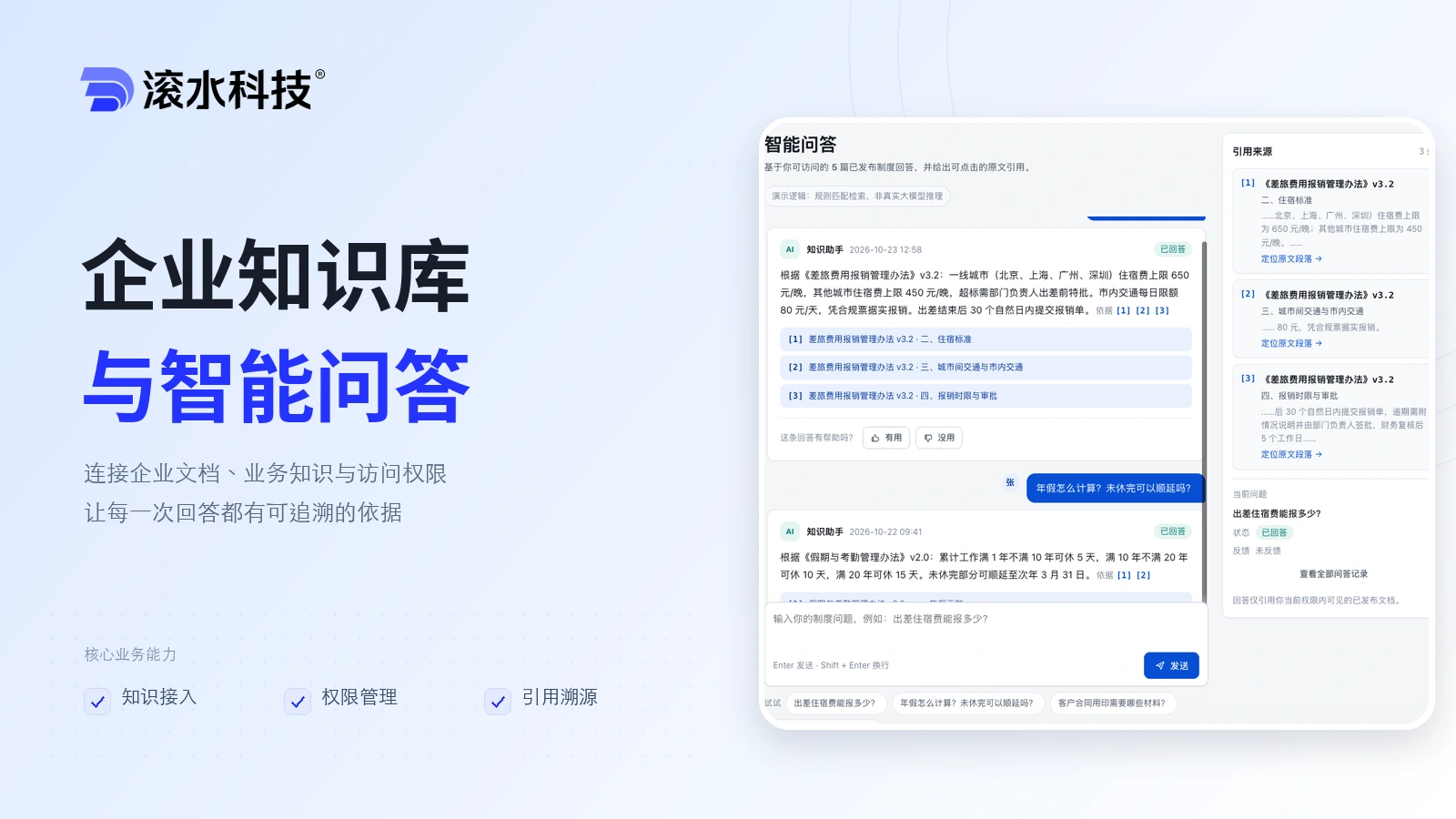
Connect enterprise documents and business knowledge with source citations and access controls. Start with a model API, or deploy processing, retrieval, and inference on an appliance for fully internal use.
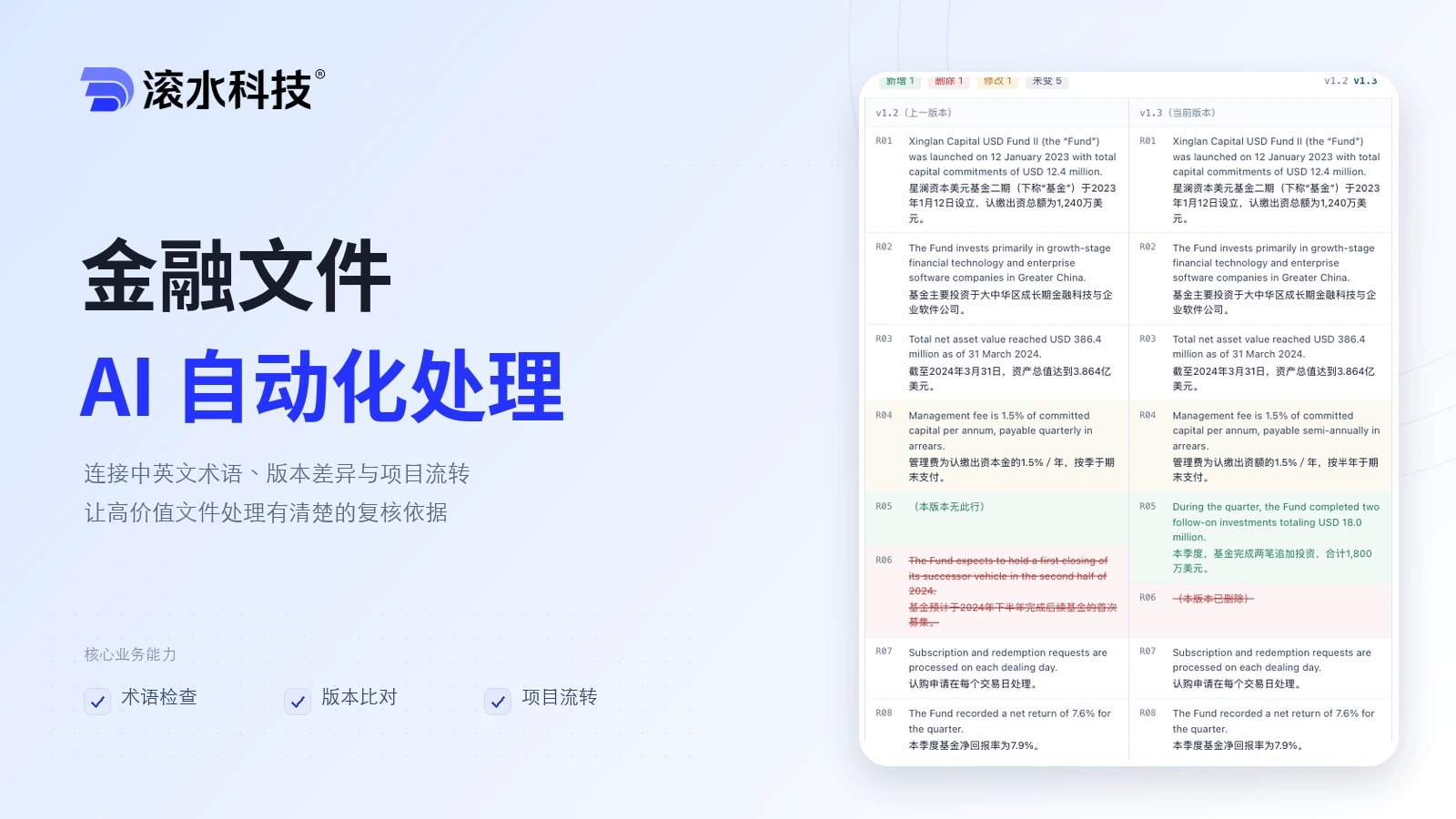
Connect terminology checks, version comparisons, human review and project handoffs for bilingual financial documents, with traceable decisions and review records.
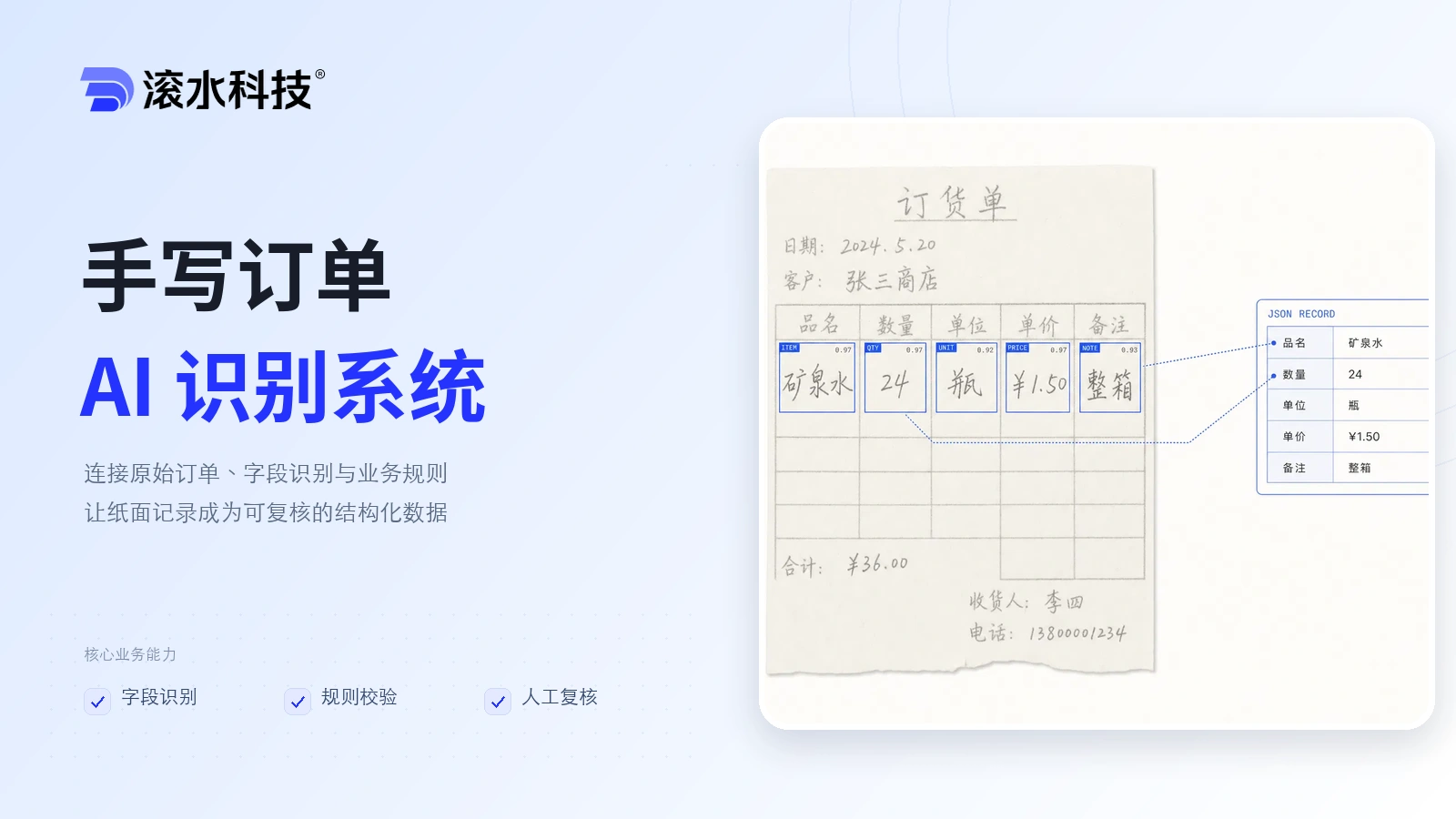
Turn handwritten orders into structured records through field extraction, validation, and human review, ready for integration with your order management workflow.